

Harvest Isn’t the End — It’s When Next Season Begins
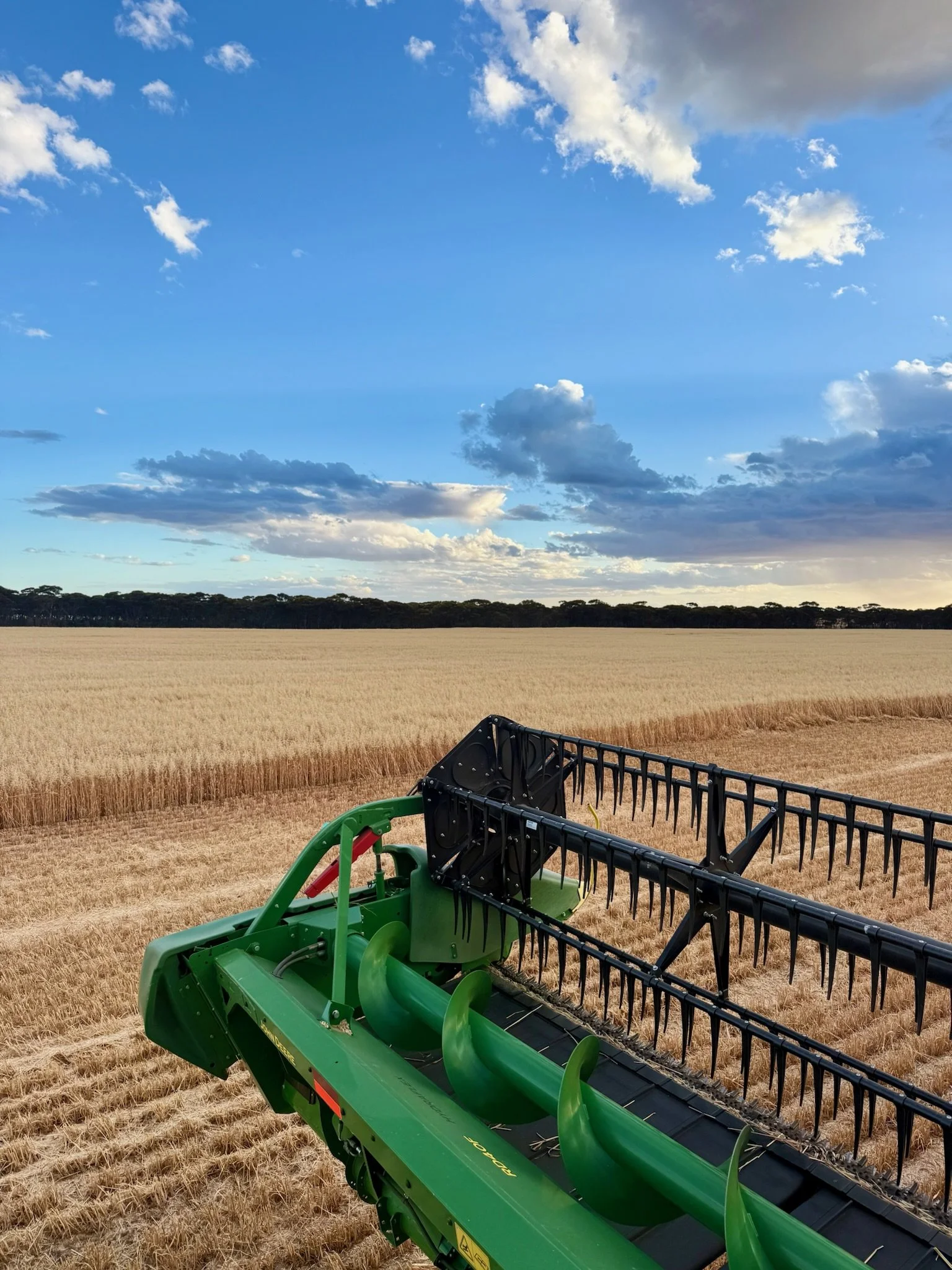
As harvesters are moving across the Esperance zone, attention turns to yields, logistics, and the weather forecast. But for most growers, harvest is more than the end of one season it’s the beginning of the next.
Every pass of the harvester is data. Every conversation about grain quality, weed pressure, or soil condition becomes the seed of next year’s plan. By the time the last truck leaves the paddock, many farmers already have a mental map of what’s going where, which rotations to adjust, and what lessons to carry forward. Harvest might look like the finish line, but for the modern grower, it’s the start of the next cycle.
This seasonal mindset matters for innovators, advisors, and agtech developers who want to work with producers.
The period between harvest and seeding, roughly December through March in southern systems, is when growers are most open to rethinking their system. Budgets are being built, input lists refined, and priorities recalibrated for the year ahead.
By the time the an airseeder is in the paddock, that window has closed. Once plans are set and machines are rolling, the mental bandwidth to explore something new disappears. Turning up then, no matter how promising the idea, almost guarantees a polite “maybe next year.”
If your product is commercially ready, make sure your evidence is too. Farmers don’t buy concepts; they buy outcomes. Bring credible, local data that shows how your innovation fits into their system, what it replaces, how it performs, and what value it returns. The decision-making window is short, and the standard of proof is high.
If your technology or idea isn’t yet market-ready, now is the time to begin the conversation about testing or trialling. Producers are generally open to early trials provided they can plan for them. When you engage during the reflective phase after harvest, they can see how it might integrate into their rotation or system and allocate space and resources accordingly.
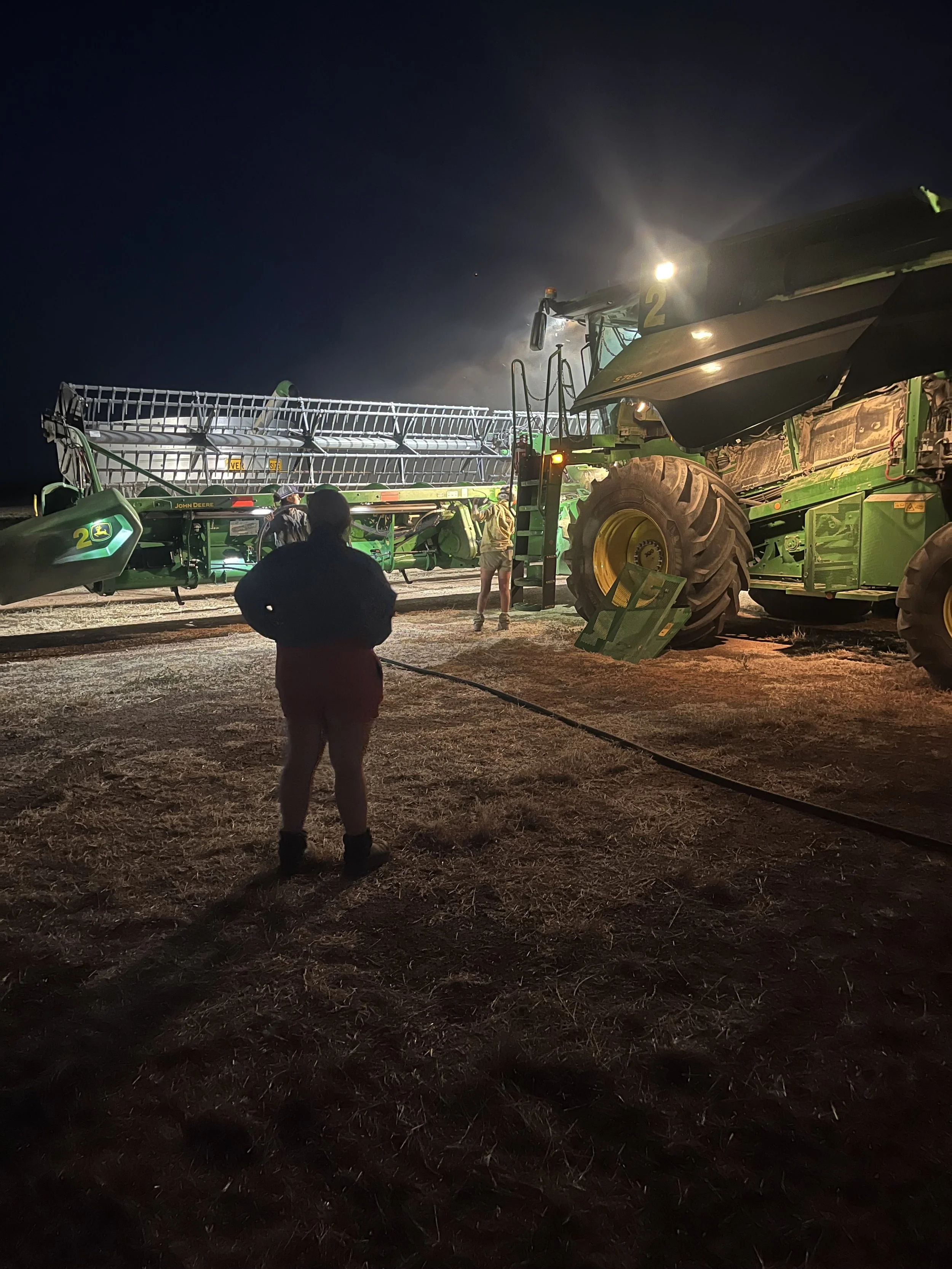
Farming doesn’t wait for innovation. It moves on biological, climatic, and financial cycles that have their own rhythm. The innovators who succeed are those who align their engagement with that rhythm, who listen when farmers are thinking, not when they’re too busy to.
So as harvest rolls on, remember - while farmers are looking back on the year that was, they’re already shaping the one ahead. If you want your innovation to be part of that conversation, this is the time to start it not when the seed hits the soil.
If you’re developing a new agricultural technology or idea and want to connect directly with real producers for trials, feedback, or collaboration, the SPROUT Project is designed for you.
SPROUT links innovators with leading growers across the Esperance region to test ideas in real paddock conditions — turning prototypes into paddock-ready solutions.
👉 To learn more or express interest, visit EZI Group’s SPROUT Project page or contact the team to start a conversation before next season begins.
